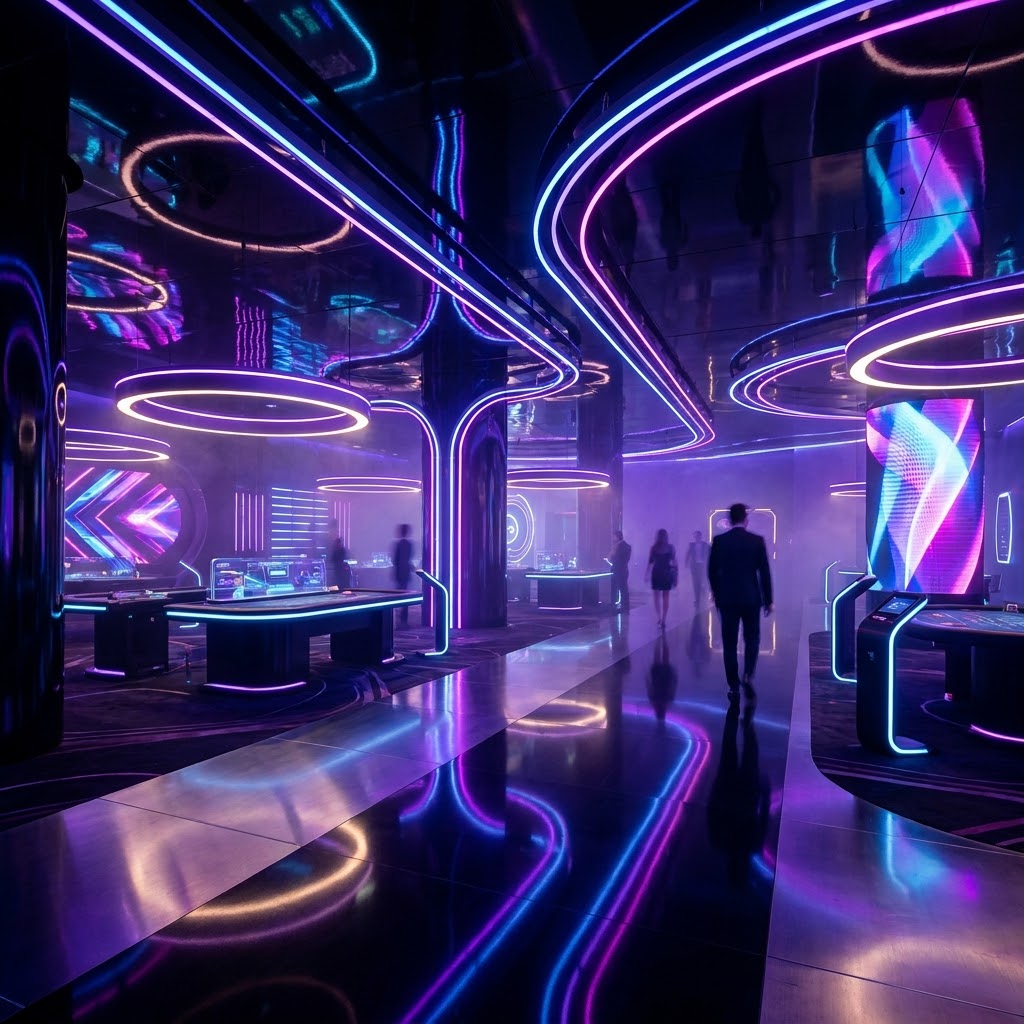
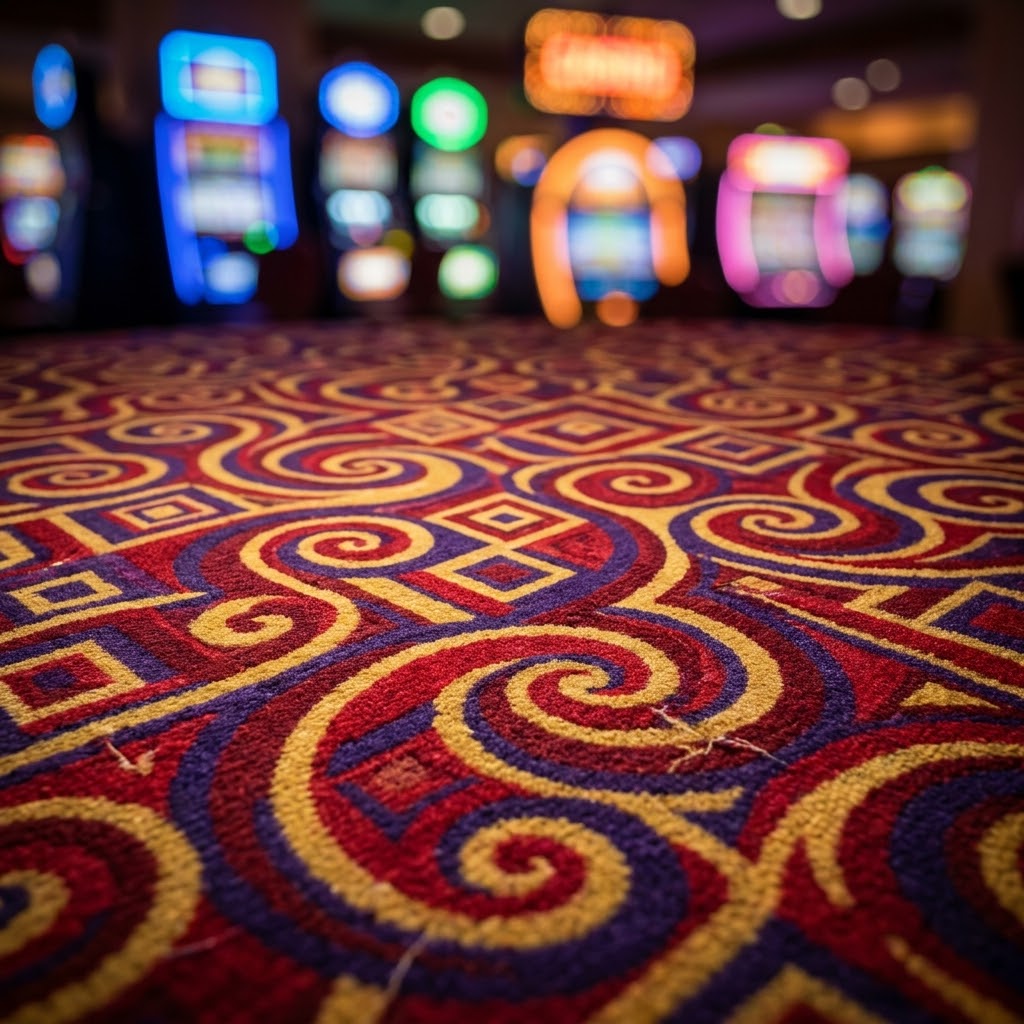
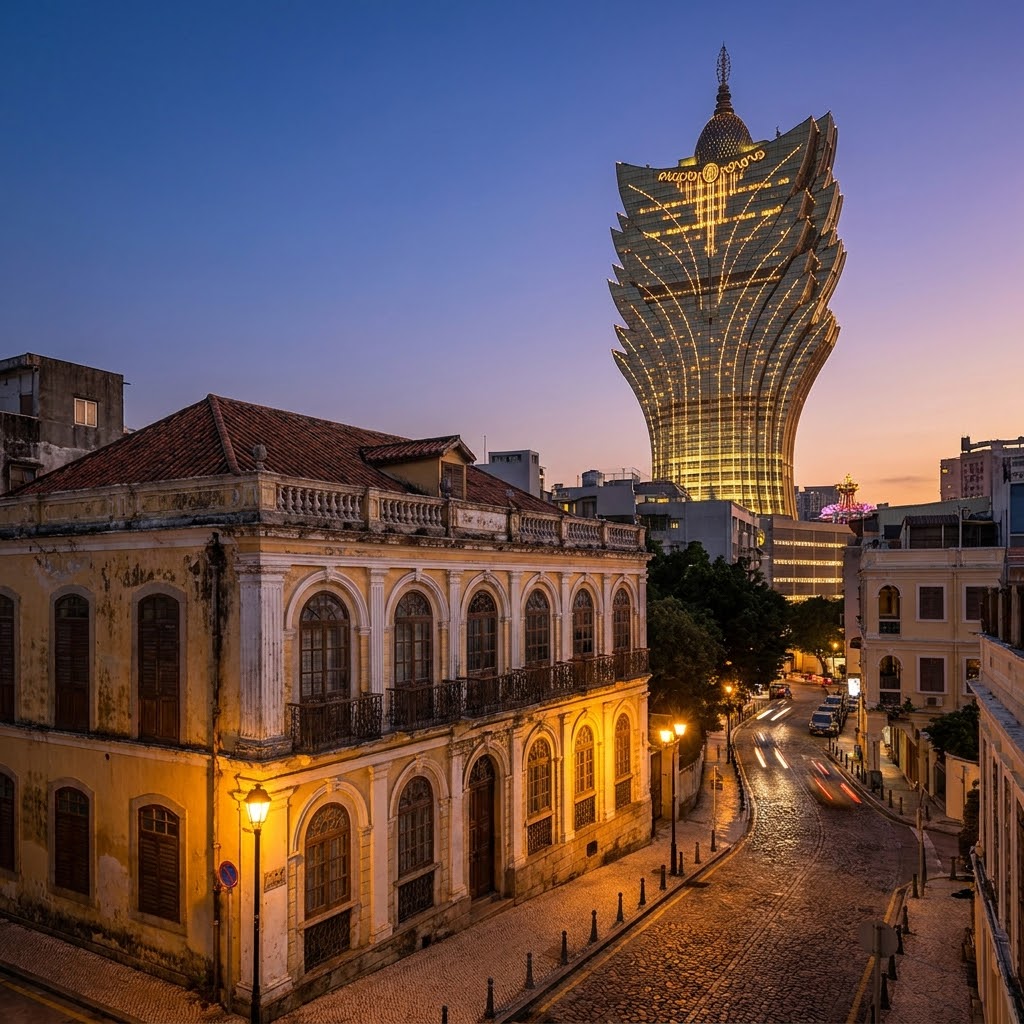
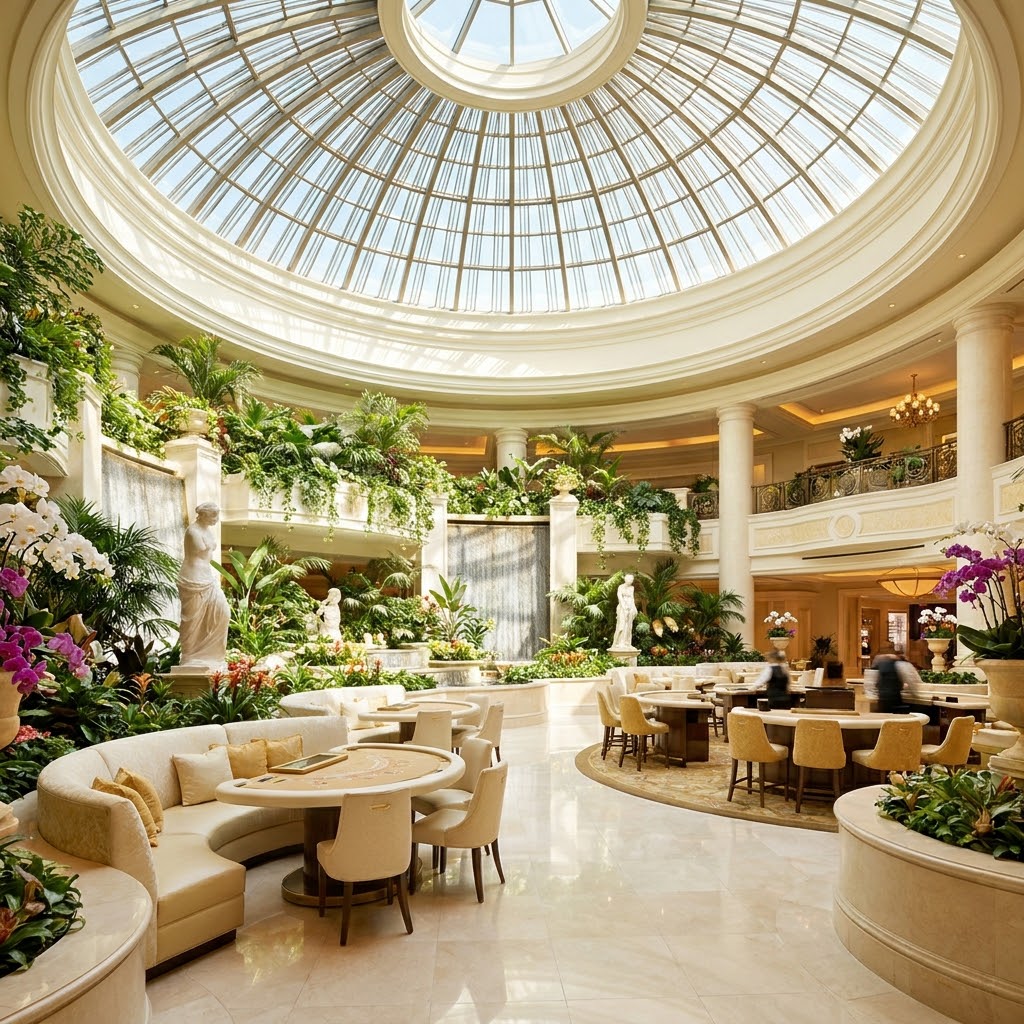
MACAU — The scene depicts an atmospheric environment reflecting the era's unique design philosophy. This marks a significant milestone in our understanding of architectural psychology within the gaming industry. The historical context provided by these spaces offers invaluable insights into the evolution of entertainment venues.
From the earliest days of the Venetian Ridotto to the sprawling mega-resorts of modern Macau, the fundamental principles of spatial design have remained surprisingly consistent, even as the scale and technology have transformed beyond recognition.
Key observations from our archival review highlight several recurring themes:
- The intentional use of lighting to direct attention and manage time perception.
- Strategic placement of amenities to create a sense of continuous discovery.
- The transition from closed, labyrinthine layouts to open, light-filled 'playgrounds'.
Historical Significance
Our analysis indicates that these design choices were rarely accidental. They were the result of careful observation and, in later years, rigorous psychological testing aimed at optimizing the guest experience. Understanding this history is crucial for architects and designers working on modern hospitality projects.