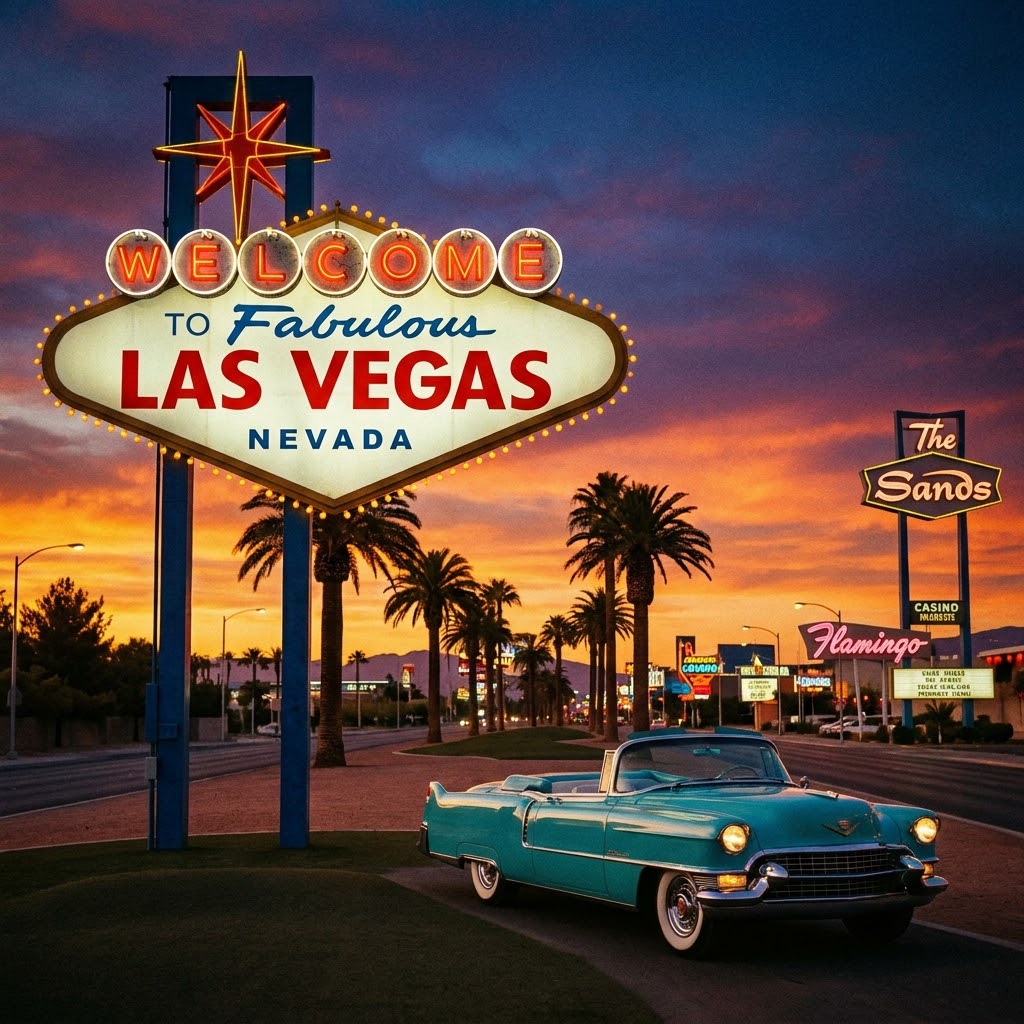
The Golden Age of Las Vegas and 1950s Aesthetics
Legendary neon signs, retro convertibles, and the birth of casino-resort culture in the Nevada desert.
From a humble Portuguese settlement to the world's largest gambling capital. How mega-resort architecture forever changed the face of the Asian Las Vegas.
Legendary neon signs, retro convertibles, and the birth of casino-resort culture in the Nevada desert.
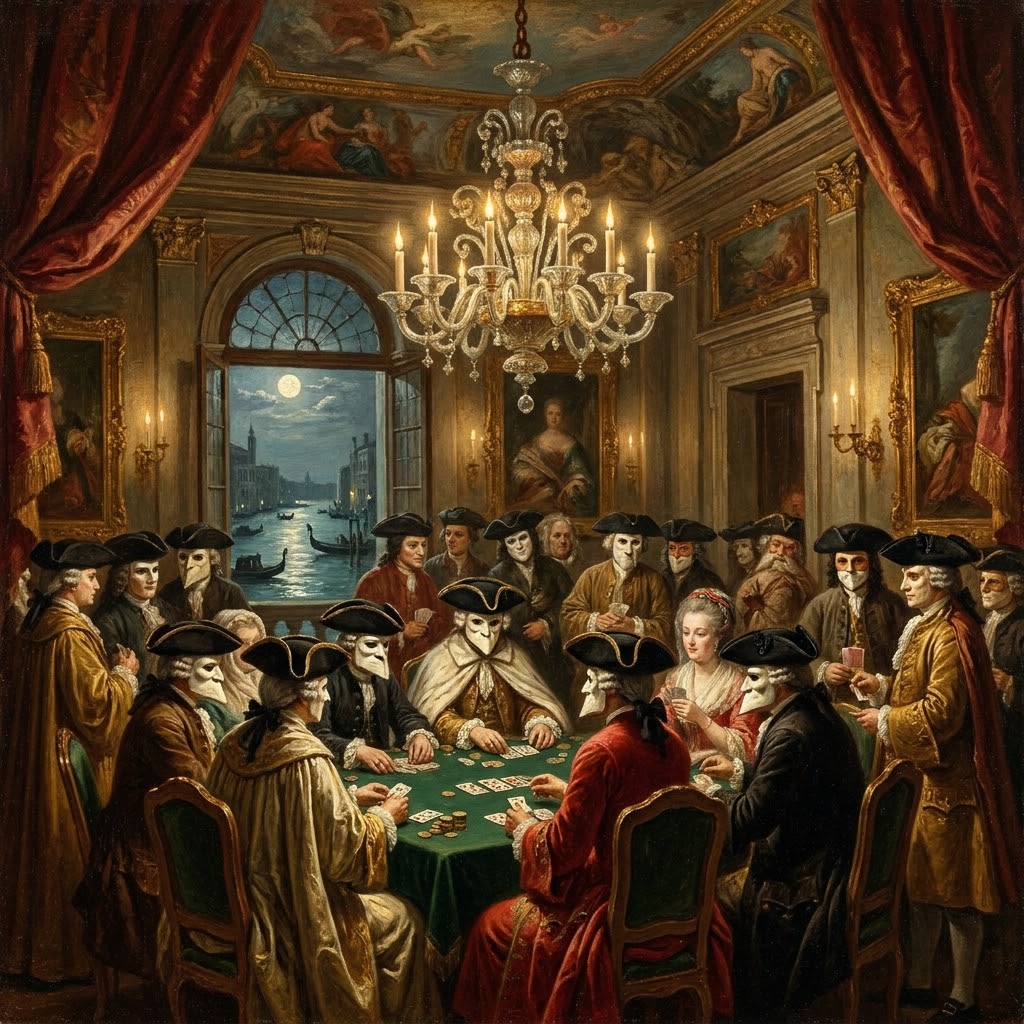
Interior of the world's oldest gambling house in a 17th-century palazzo. Aristocrats, 'bauta' masks, and the first rules of the game.
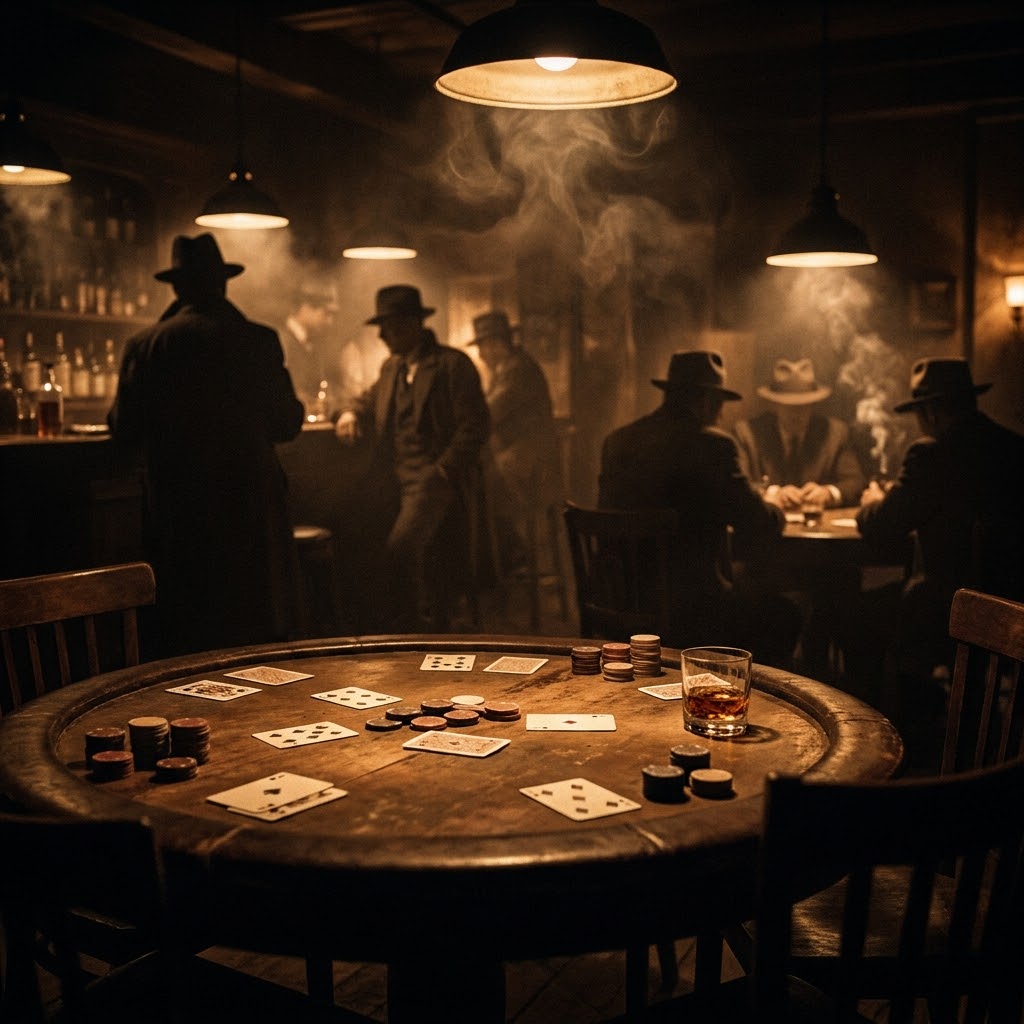
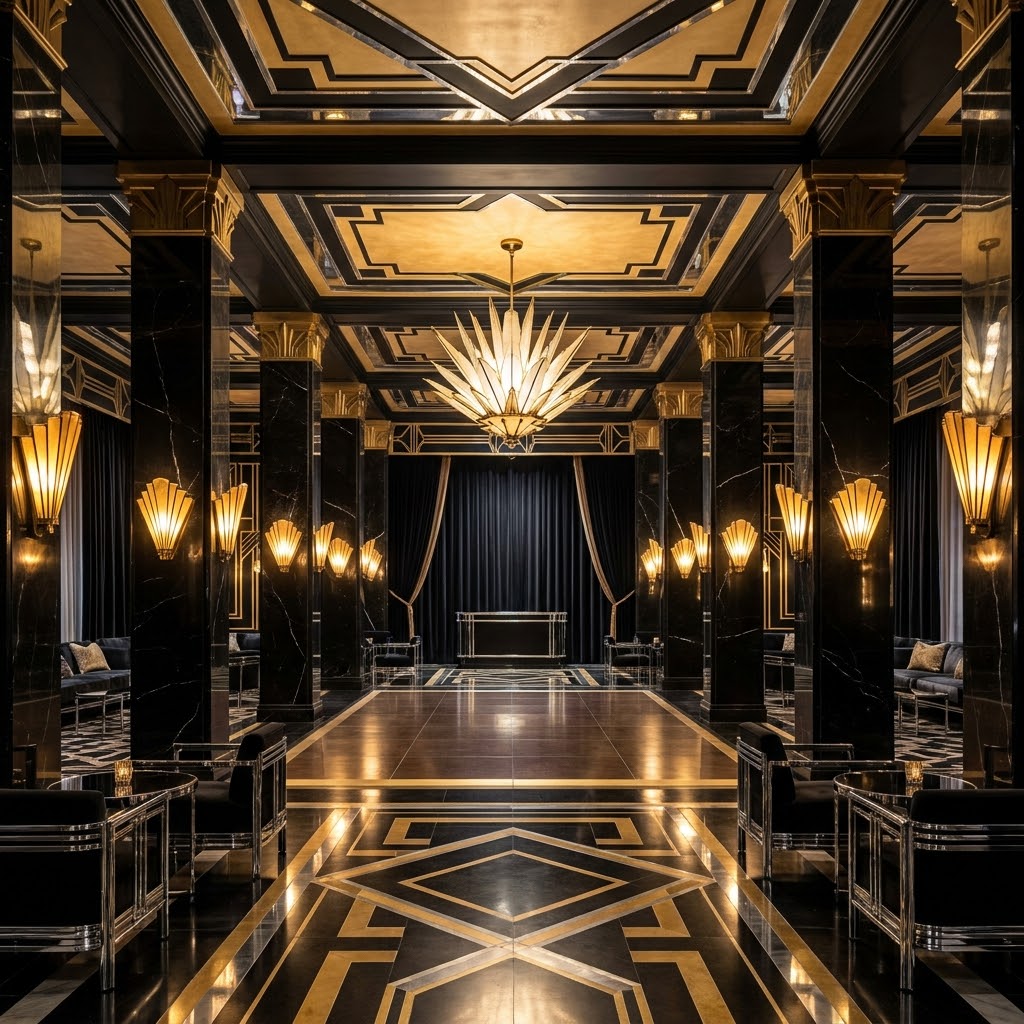
Atmospheric gloom of secret 1930s casinos. Rough tables, vintage cards, and the birth of the American syndicate.
How spacious lobbies, glass domes, living gardens, and natural light replaced classic dark labyrinths and revolutionized mega-resort design worldwide.
Read research ➝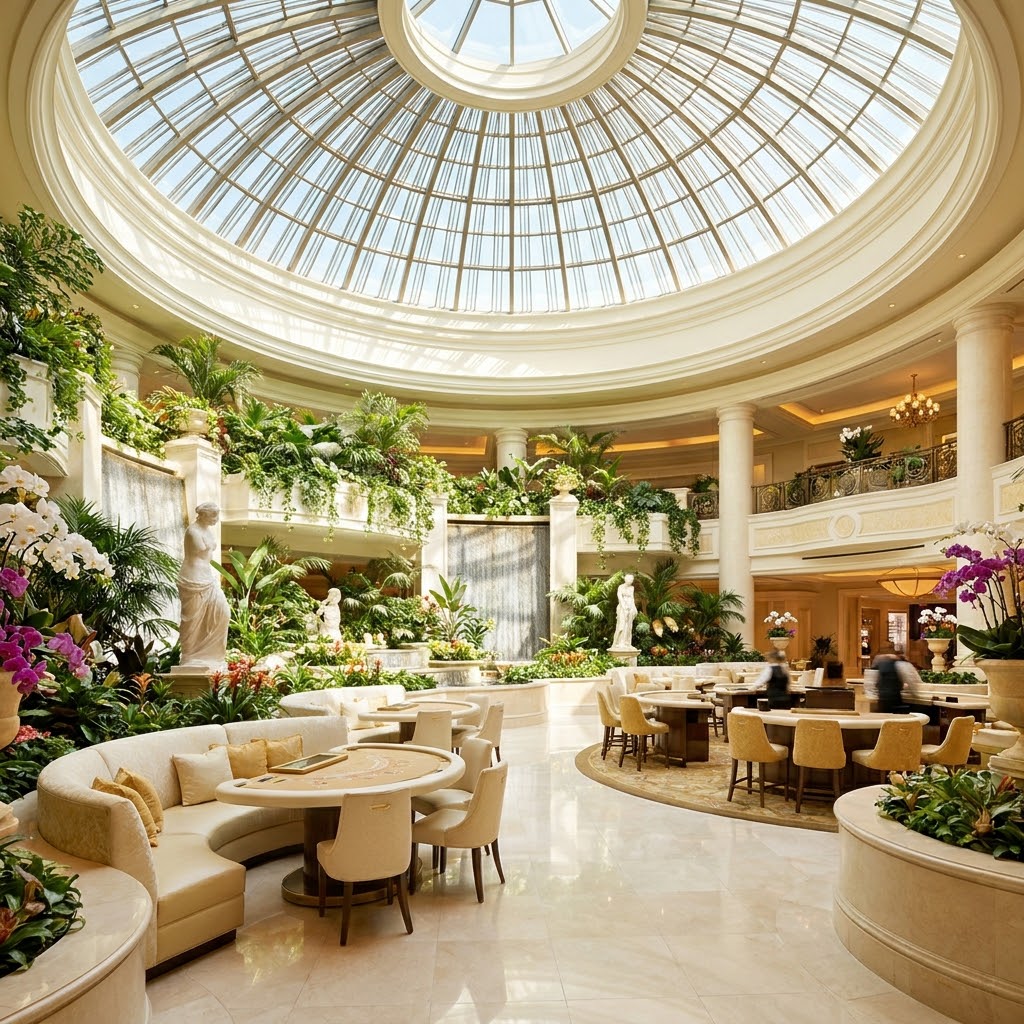
| Property | Era / Style | Location | Status |
|---|---|---|---|
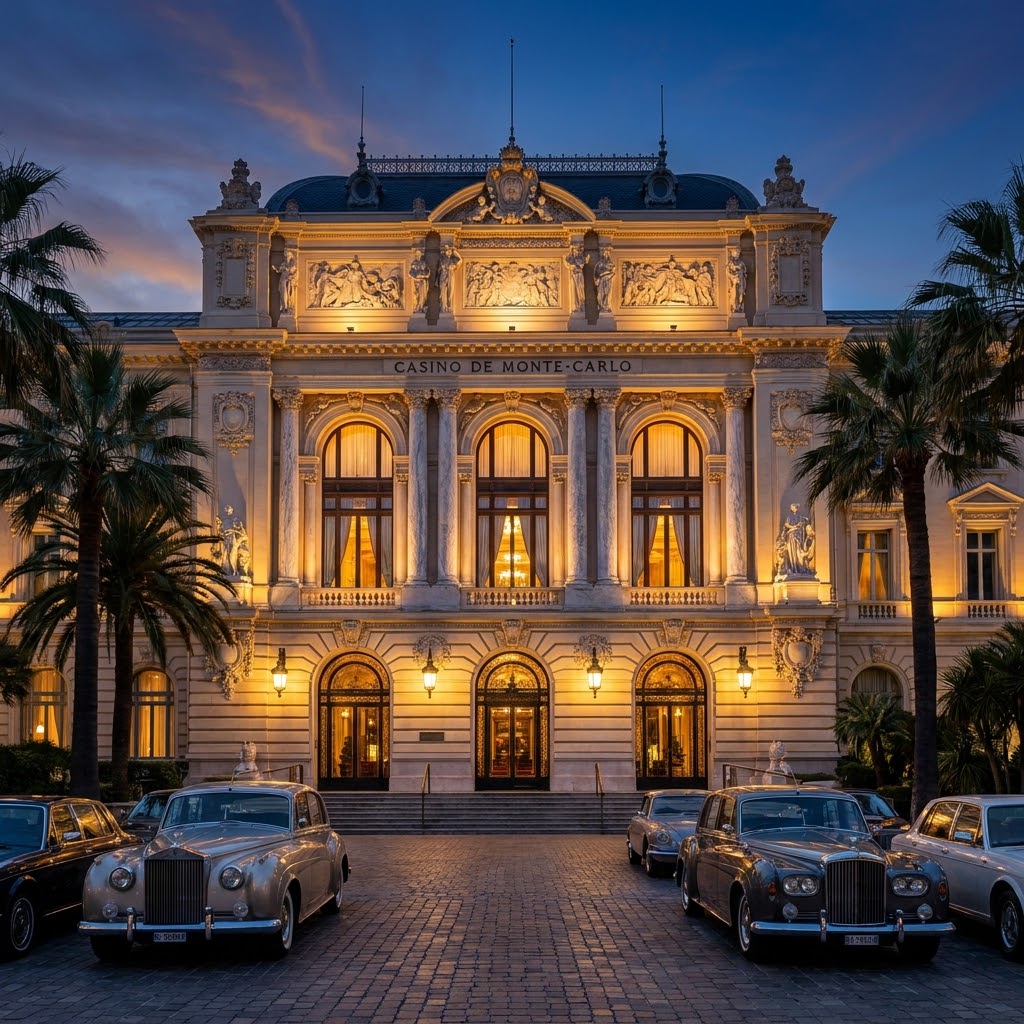
| Casino de Monte-Carlo Architect: Charles Garnier |
Beaux-Arts (1863) | Monaco | Active |
| Venetian Ridotto Palazzo Dandolo |
Baroque (1638) | Venice, Italy | Closed (1774) |
| Speakeasy Era Underground venues |
Art Deco (1920s) | Chicago / New York, USA | Historical |
| Modern Macau Neo-colonialism & High-tech |
Postmodernism (2000s) | Macau, PRC | Expanding |